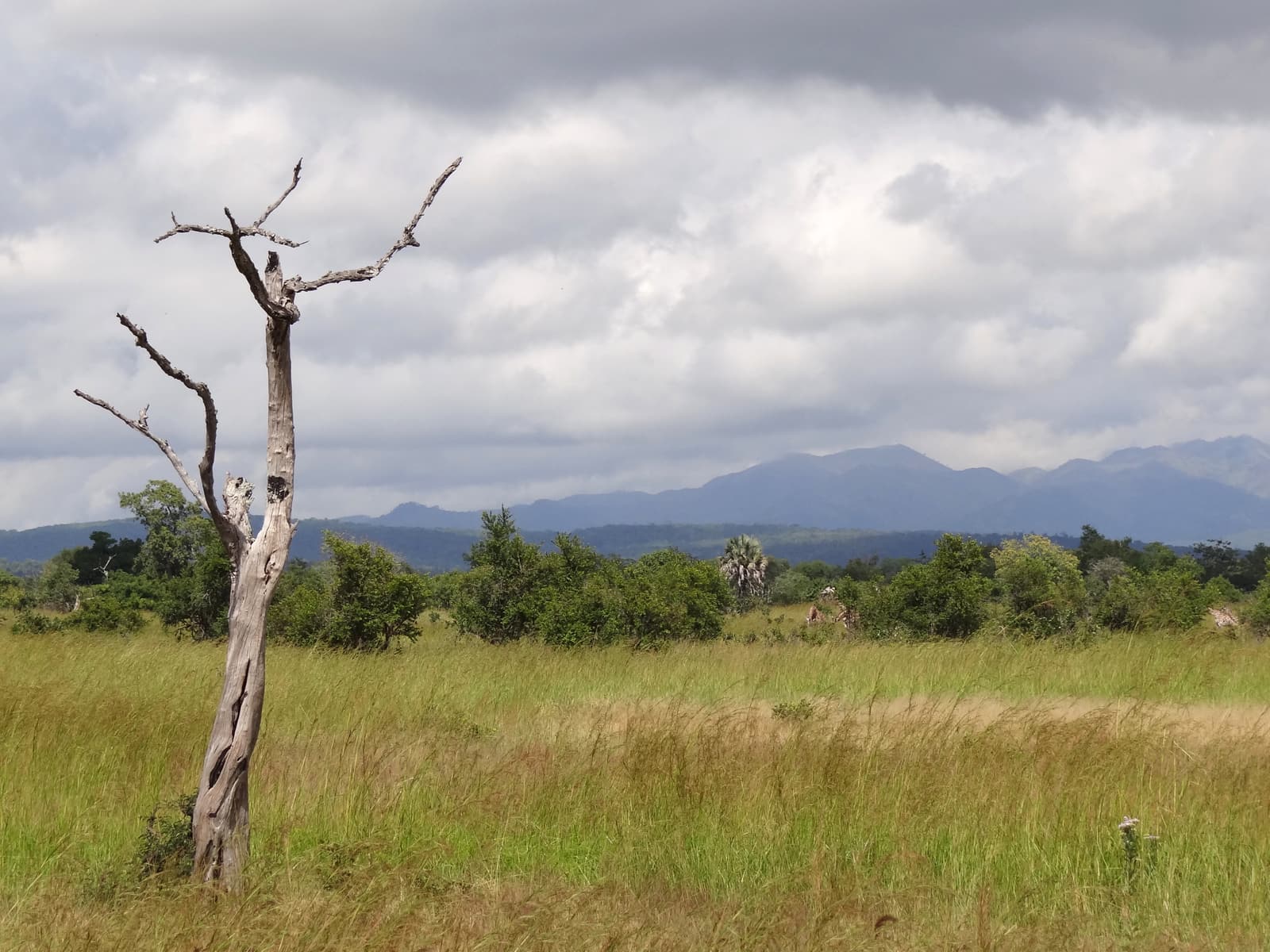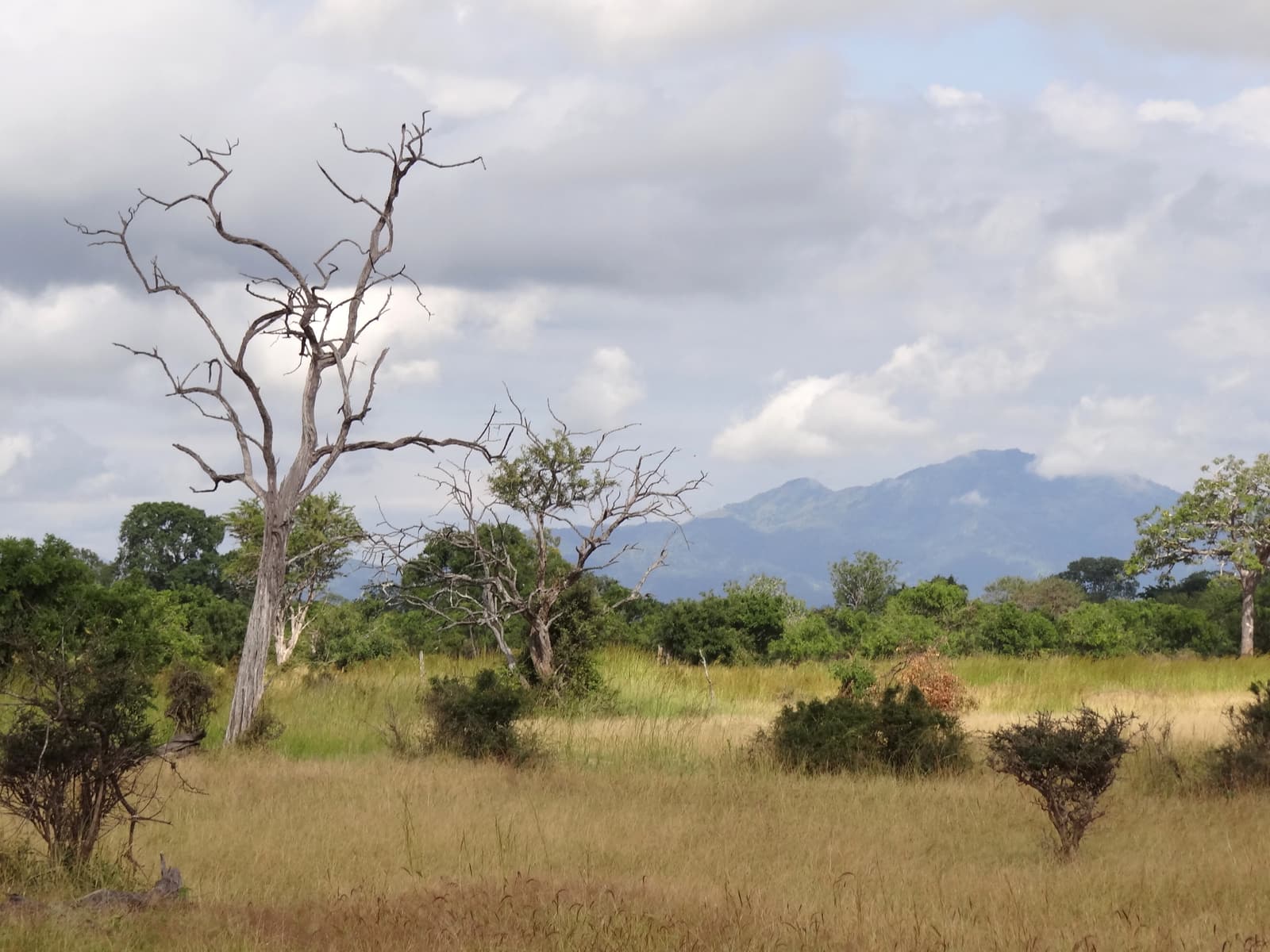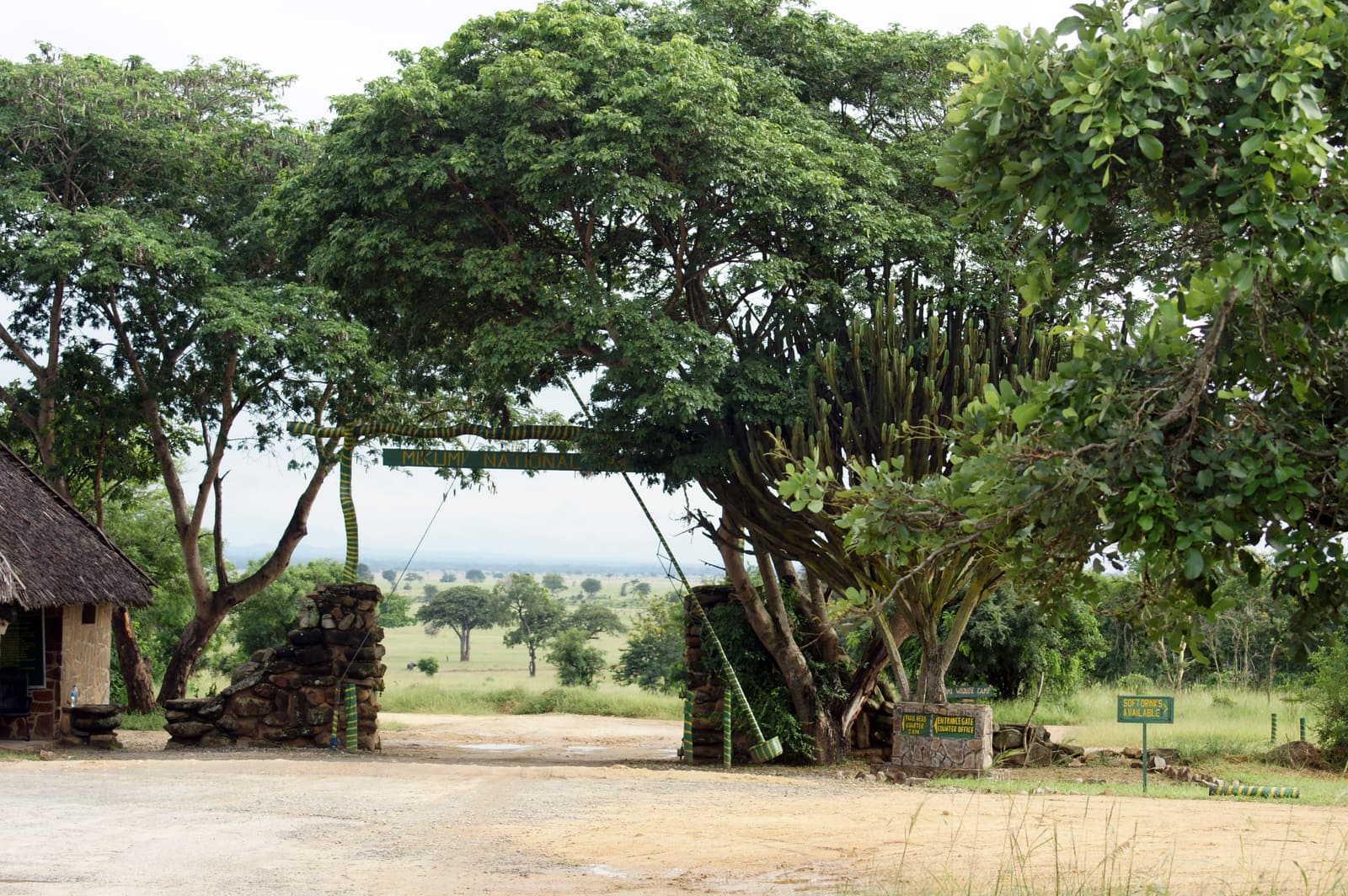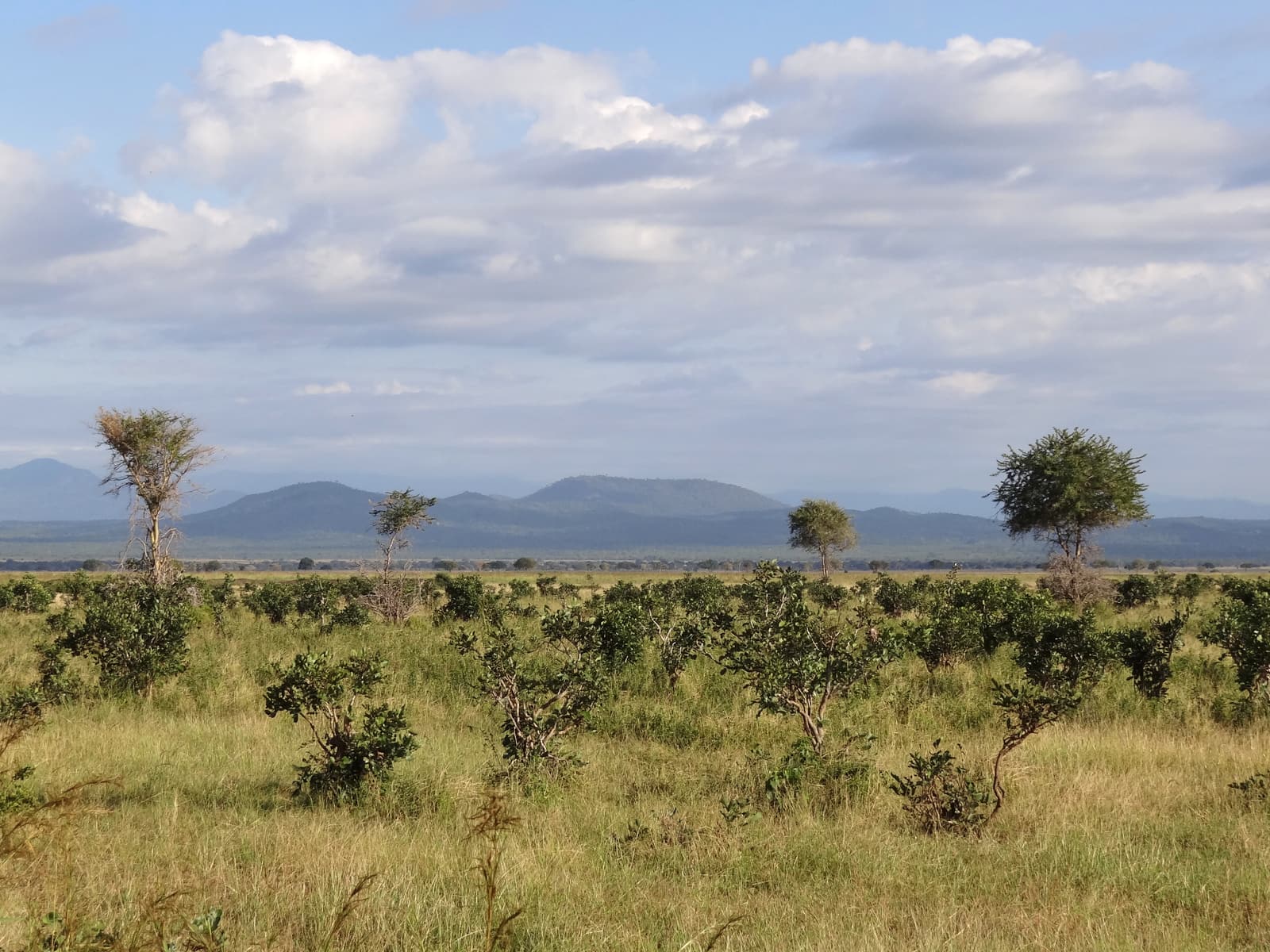
When people say they “did Mikumi”, they almost always mean the Mkata floodplain. This broad, flat basin of grassland lies north of the highway that cuts the park in two, drained by the seasonal Mkata River and ringed by mountains — the Uluguru range to the east, the Rubeho hills to the west. The network of game-drive tracks starts right behind the main gate at Kikoboga, which is why even a short day trip sees a lot.
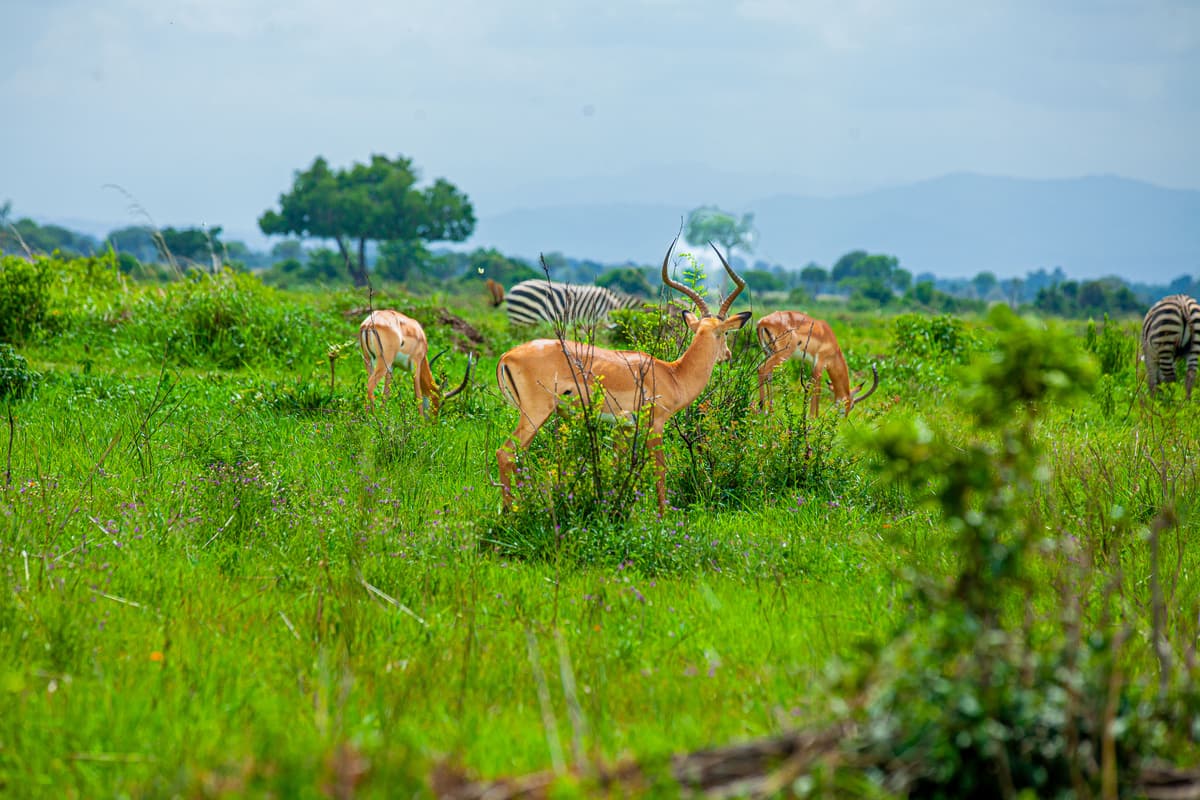
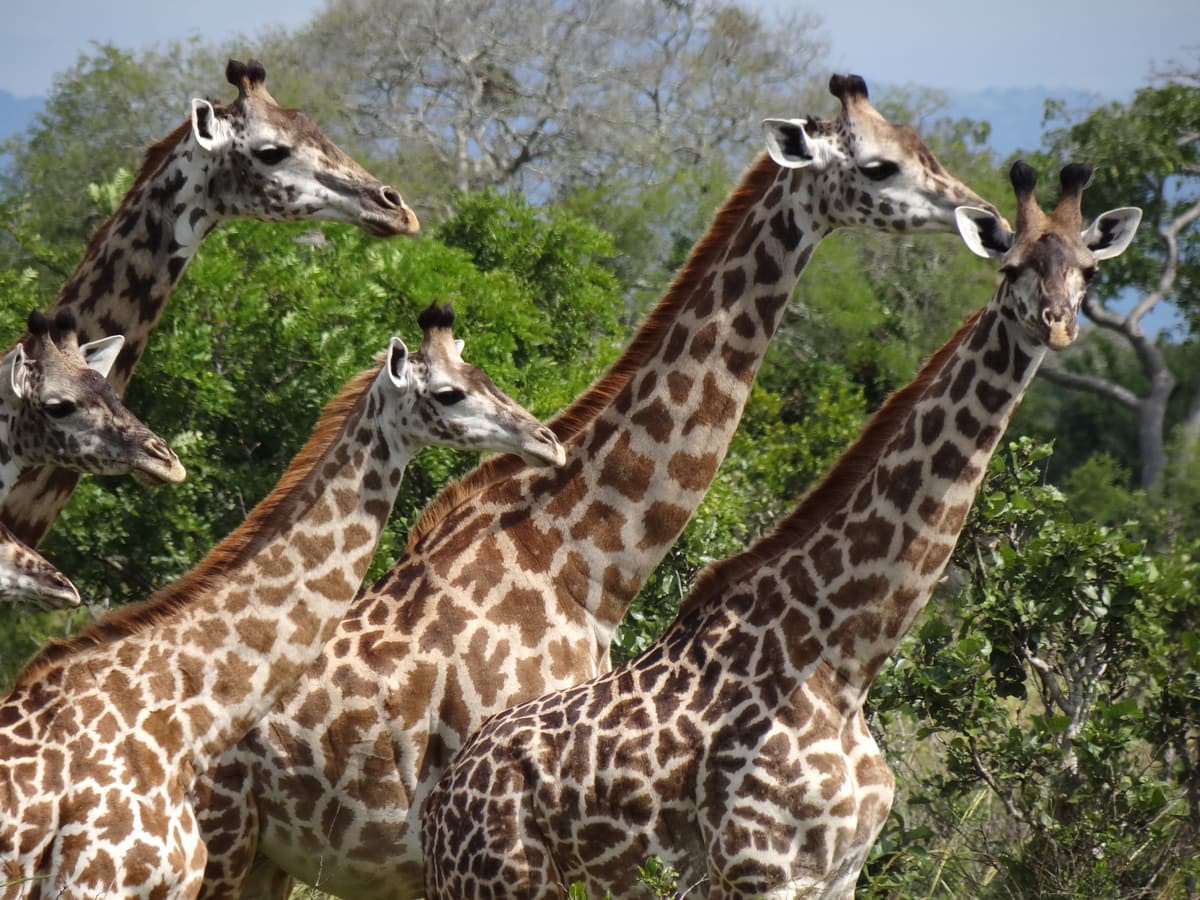
The appeal is visibility. On open grass dotted with acacias, baobabs and borassus palms, animals are easy to find and easy to photograph: zebra, wildebeest, impala and buffalo in herds, elephants and Masai giraffes almost everywhere, and the lions that live off them. It is the reason Mikumi works so well as a first safari.
Top things to do: Mkata Floodplain
Take a game drive on the plains
This is the core Mikumi experience and what every day trip and safari is built around. Drives loop out from the main gate across the grassland, usually for three to five hours on a day visit. Vehicles are either closed 4x4s with a pop-up roof or open-sided safari jeeps; both work well here because the animals are used to cars and often stand close to the track.
Look for lions — patiently
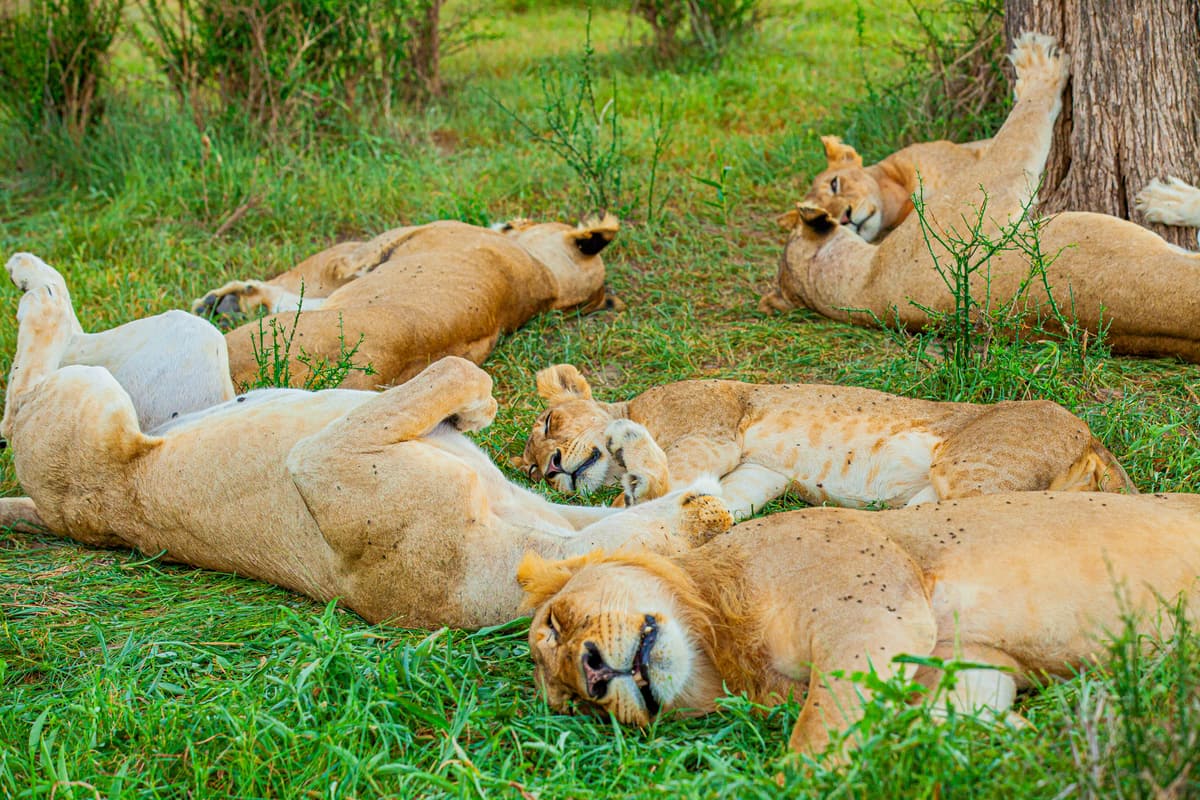
Mikumi has a healthy lion population and the open ground makes them easier to find than in thick bush, but they are not guaranteed. In the heat of the day they lie up in the shade of a tree or a termite mound — and now and then up in the branches. Early morning and late afternoon are far better, which is the main argument for staying a night.
Watch the herds
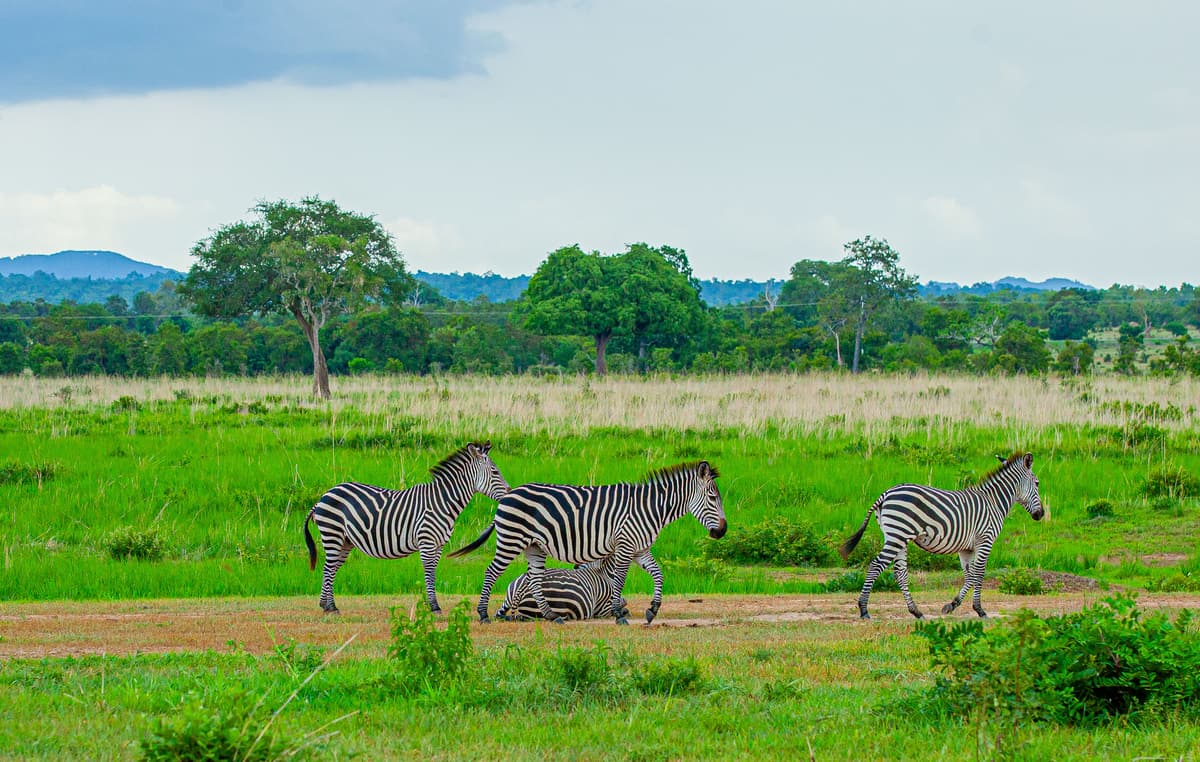
Zebra and wildebeest graze together, impala gather under the trees, and buffalo move in dark masses across the grass. Mikumi is also a good place for eland, Africa’s largest antelope, which is shy and keeps its distance. Warthogs, yellow baboons and black-backed or side-striped jackals fill in the gaps.
Visit the waterholes
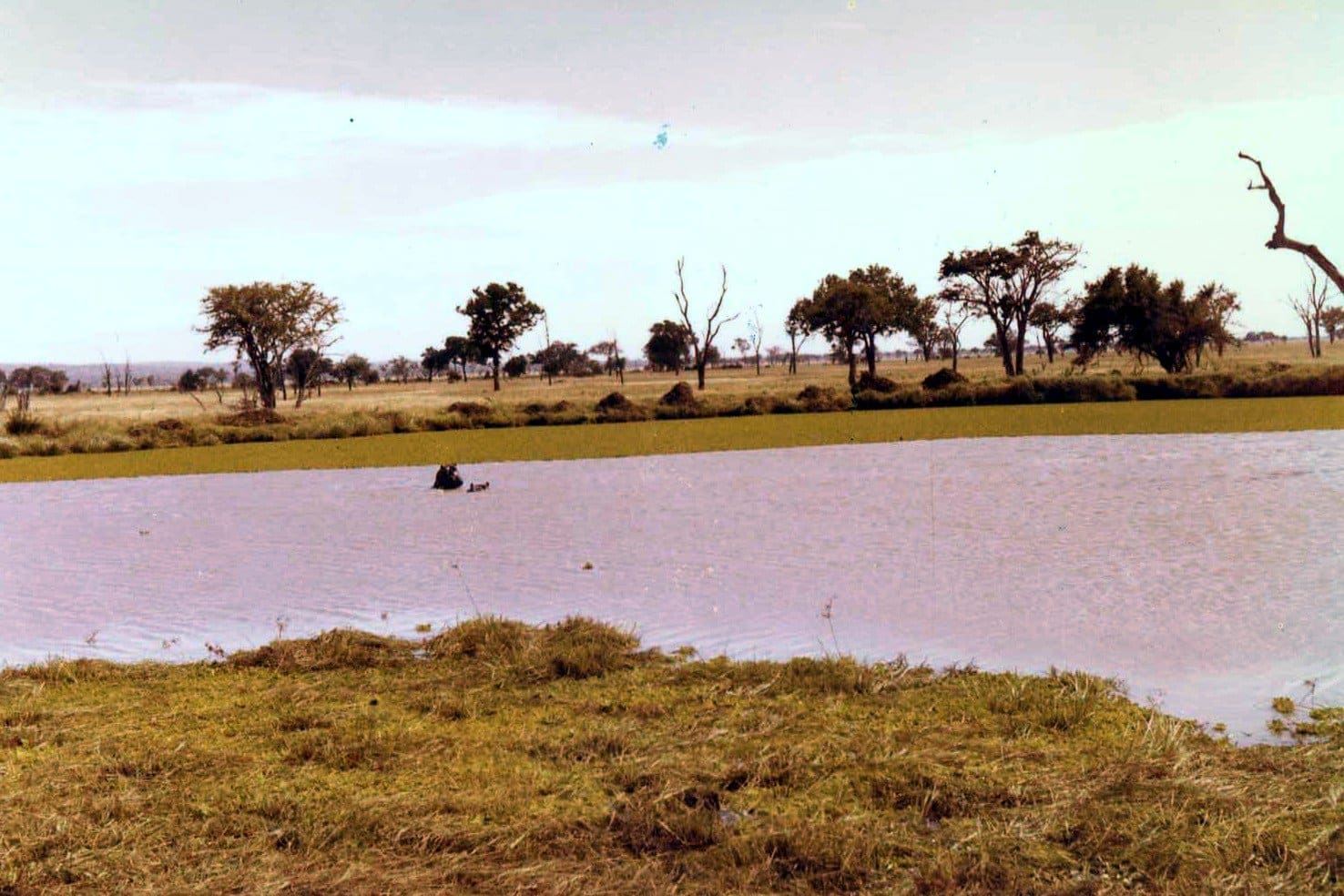
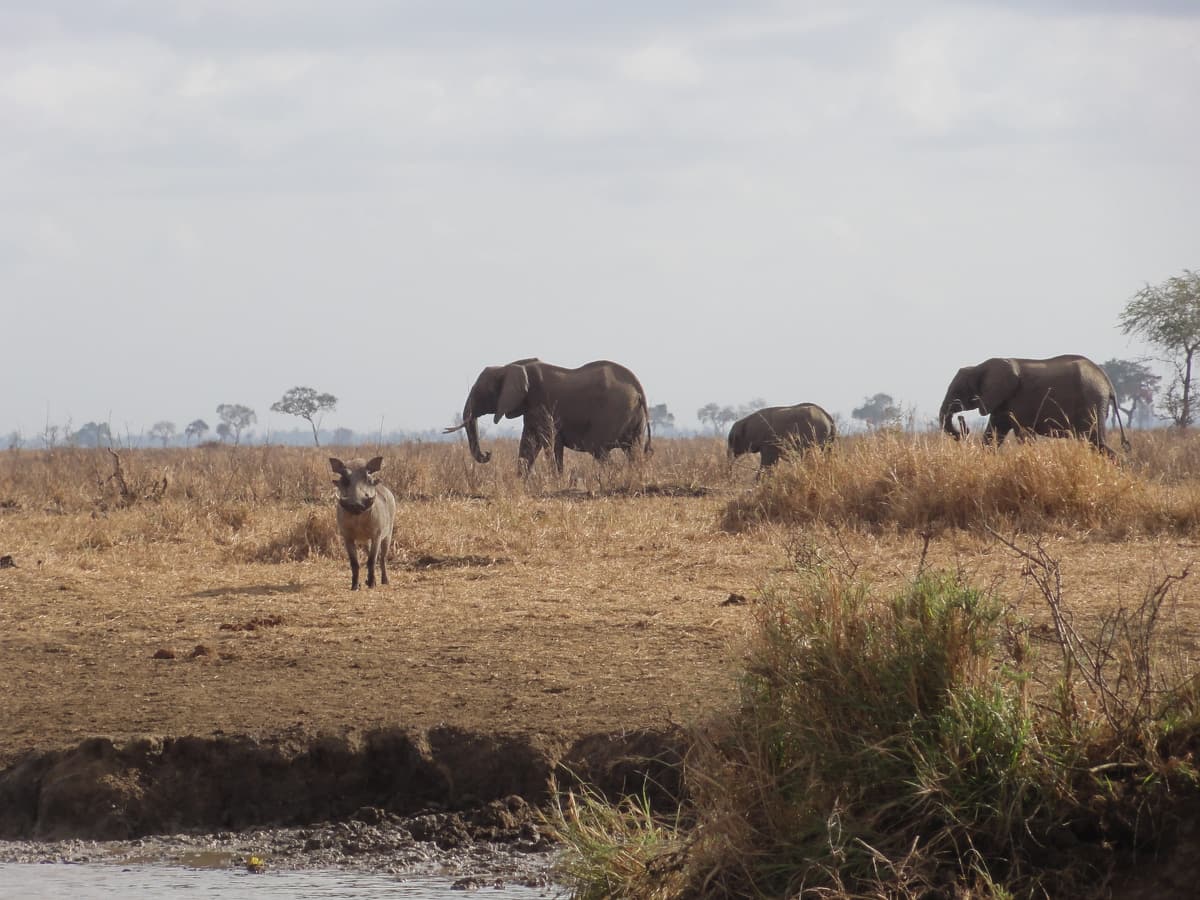
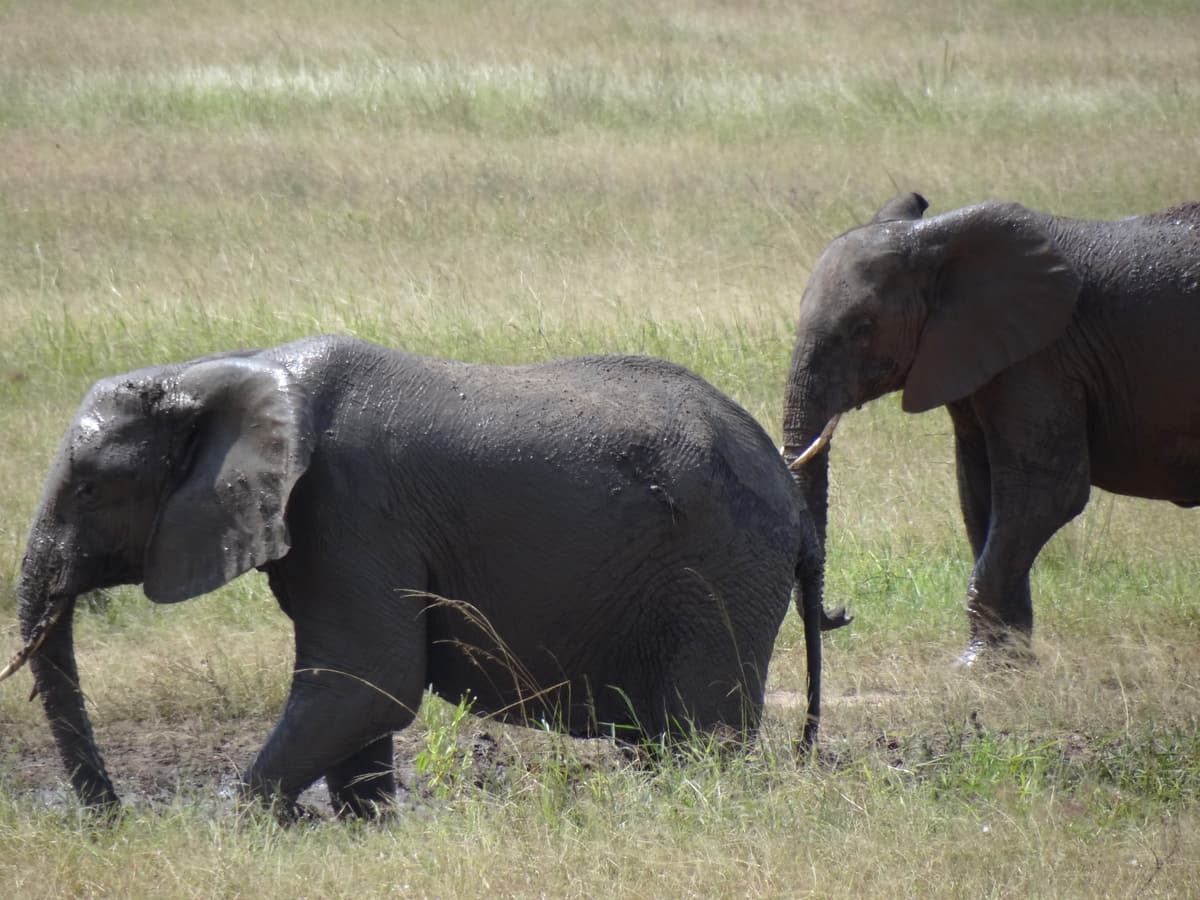
In the dry season the game concentrates around the remaining water: the Hippo Pools close to the gate, and waterholes and dams further north on the plain such as Chamgore and Mwanambogo. Guides plan their loops around them, and elephants in particular arrive in family groups to drink and mud-bathe.
Keep an eye on the sky
More than 400 bird species have been recorded in the park. On the plains look for the lilac-breasted roller on every other bush, the yellow-throated longclaw in the grass, bateleur eagles overhead and, in the wet season, storks and other migrants around the flooded hollows.
How to get to Mkata Floodplain
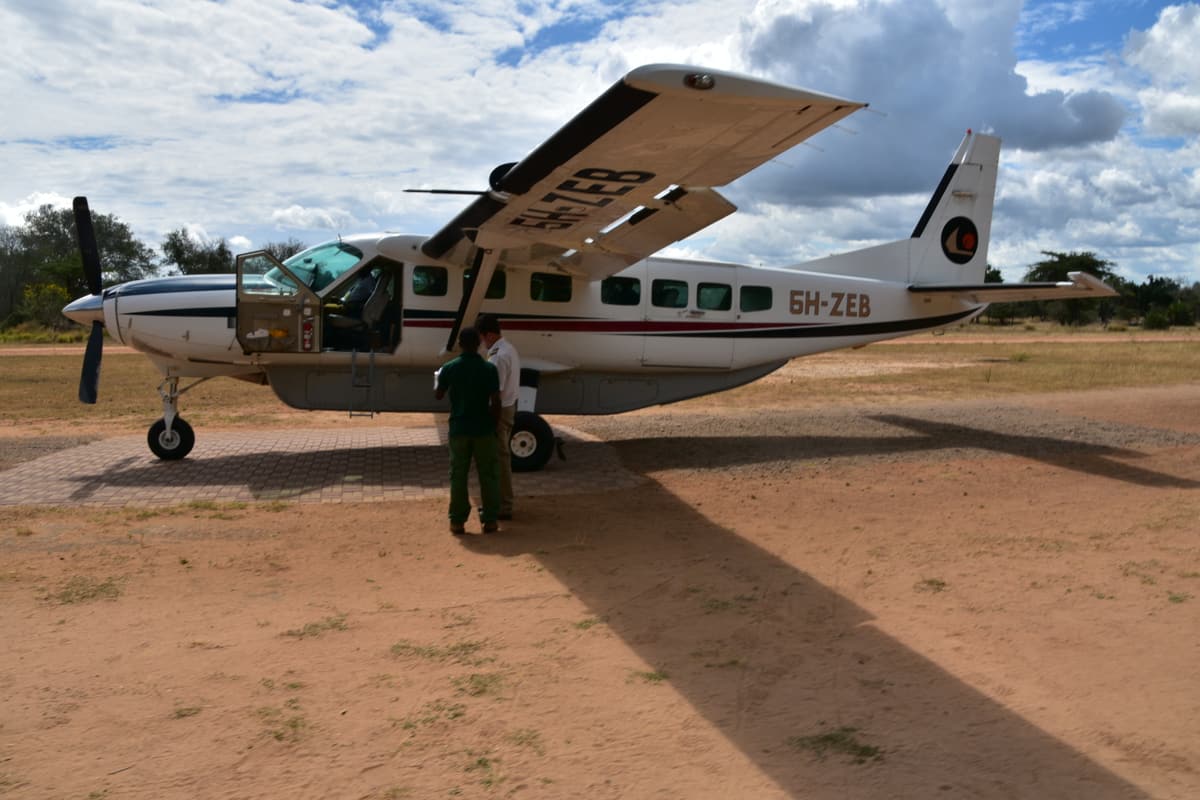
- The floodplain begins immediately north of the main gate at Kikoboga, on the Dar es Salaam–Iringa highway. Fly-in visitors land at the airstrip beside the park headquarters and are on the plains within minutes; road and rail visitors arrive at the same gate. See getting to Mikumi for all the routes.
- You need a vehicle — walking is not allowed on the plains except on ranger-led walks arranged with the park. If you arrive without a safari vehicle, lodges in Mikumi town rent 4x4s with drivers.
Insider tips
- In the rainy months (roughly March to May) the black-cotton soil turns to glue and some tracks close; drives stay nearer the gate.
- Sit on the shaded side of the vehicle in the middle of the day — and bring a hat, because roof hatches are open.
- Binoculars make a bigger difference than a long lens: one pair per person if you can.
- Ask your guide to switch the engine off at sightings. The sounds are half the experience.
- Wild dogs are seen now and then but range over huge areas — treat a sighting as a lucky bonus, not a plan.
Best tours & safaris: Mkata Floodplain
These experiences are the easiest way to see Mkata Floodplain:
 Fly-in day safari from €397
From Zanzibar: Mikumi Safari Day Trip with Flights and Lunch
The safari that put Mikumi on the map for beach holidaymakers, with more than three thousand reviews on GetYourGuide. You fly from Zanzibar to the park in the morning, join shared game drives in a 4x4 across the plains, stop for a bush lunch and fly back in the afternoon. It is a long day with an early start, but it turns a beach week into a beach-and-safari trip without changing hotels.
- Return light-aircraft flights from Zanzibar
- Shared 4x4 game drives and a bush lunch
- By far the most-reviewed Mikumi safari on GetYourGuide
 Day trip from €249
From Dar es Salaam: Mikumi National Park Day Trip
Mikumi in a single day from Dar es Salaam. The park lies roughly 280–300 km west of the city, so however the transfer is arranged this is a very early start and a late return, with the game drive in the middle of the day. It works if you have one free day between flights and want to see elephants, giraffes and zebra rather than the city — check the listing for exact timings and what is included.
- Day safari from Dar without an overnight
- Game drive on the Mkata floodplain
- One of the best-rated Dar departures
 Fly-in day safari from €443
From Zanzibar: Mikumi Safari by Twin-Engine Plane + Lunch
A fly-in day safari that makes a point of using a twin-engine aircraft for the hop between Zanzibar and Mikumi. The listing includes lunch, park fees and flights, and the longer stated duration reflects a fuller day on the ground. A solid alternative when the bestseller is sold out, or if two engines simply make you more comfortable.
- Flights on a twin-engine aircraft
- Lunch, park fees and flights included per the listing
- Well reviewed, with around 150 ratings
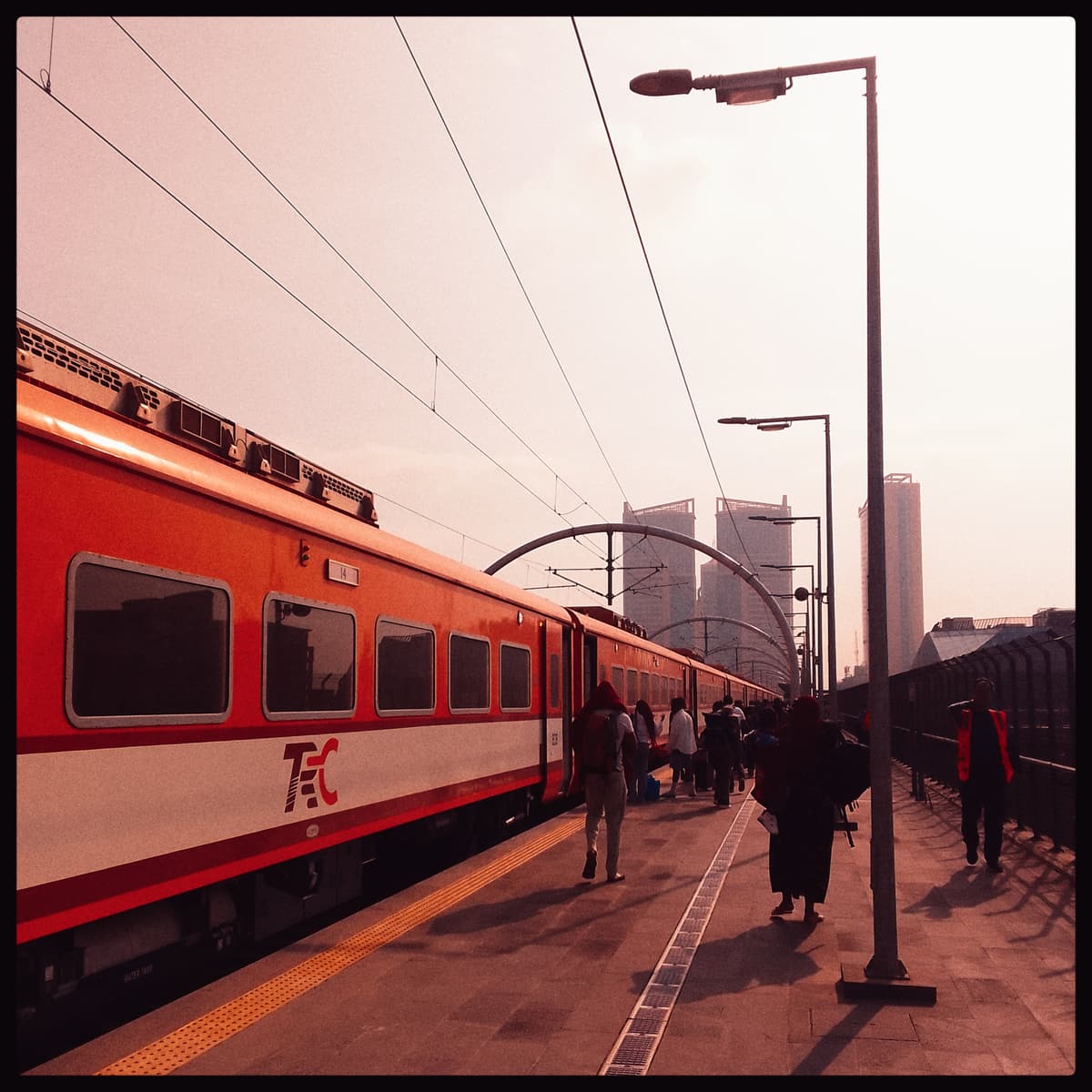 Train day safari from €177
From Dar es Salaam: 1-Day Mikumi Adventure Safari by Train
The modern way to do Mikumi from Dar: the electric standard-gauge (SGR) train covers the stretch to Morogoro in a fraction of the time the highway takes, and a vehicle continues from there to the park for game drives and a picnic lunch. Train times are set by the railway and can change, so the operator fixes the exact schedule when you book.
- Electric SGR train from Dar to Morogoro
- Game drives and a picnic lunch in the park
- Among the lowest starting prices for a Dar day safari