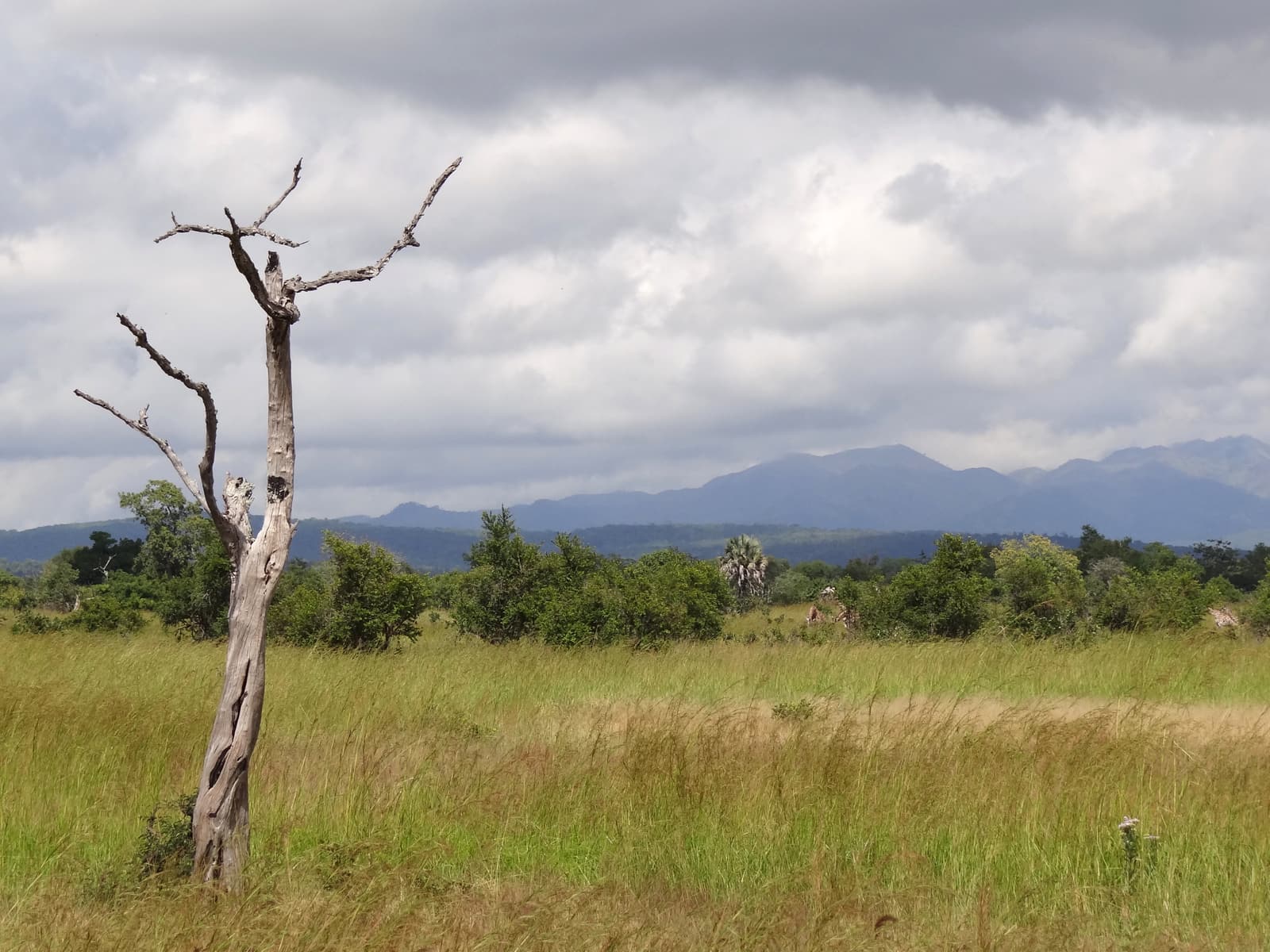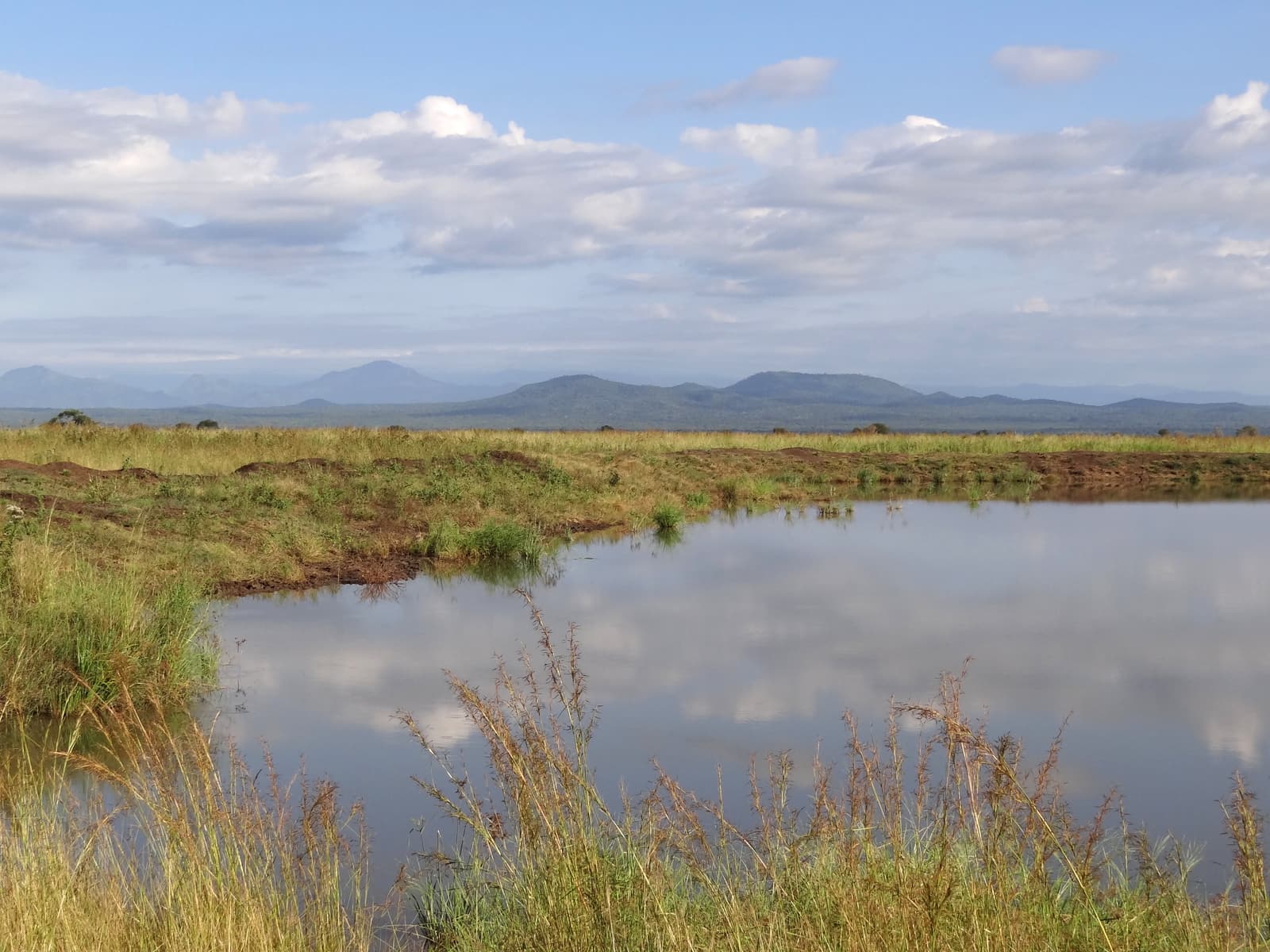
Mikumi National Park covers about 3,230 square kilometres of Tanzania’s Morogoro Region and has been protected since 1964. It is the northern tip of a much larger wilderness: its southern boundary runs straight into Nyerere National Park, the former Selous, and animals move freely between the two. What sets Mikumi apart is not size but access — a tarred highway, a railway nearby and an airstrip an hour from Zanzibar.
Mikumi at a glance
- Where: south-central Tanzania, roughly 280–300 km west of Dar es Salaam.
- Size: about 3,230 km² — among the larger national parks in the country.
- Landscape: the open Mkata floodplain in the north; hills and miombo woodland in the south; mountains all round.
- Known for: elephants, giraffes, zebra, wildebeest, buffalo, hippos, lions and more than 400 bird species.
- Managed by: Tanzania National Parks (TANAPA).
- Time needed: one day to see the highlights, two for a proper safari.
A little history
The plains around the Mkata River were gazetted as a national park in 1964, in the first years of Tanzanian independence, partly because the new highway to Zambia was making the area’s wildlife both accessible and vulnerable. In 1975 the park was extended southwards to meet the Selous Game Reserve, creating one continuous protected area. The name comes from the borassus palm — mikumi in the local language — that still dots the floodplain.
Wildlife: what you can expect to see
Mikumi’s open country makes it a very reliable park for the big, visible animals.
- Elephants — seen on virtually every visit, often close to the gate and along the highway.
- Masai giraffes — numerous and photogenic against the mountains.
- Zebra, wildebeest and impala — the herds that give the floodplain its Serengeti look.
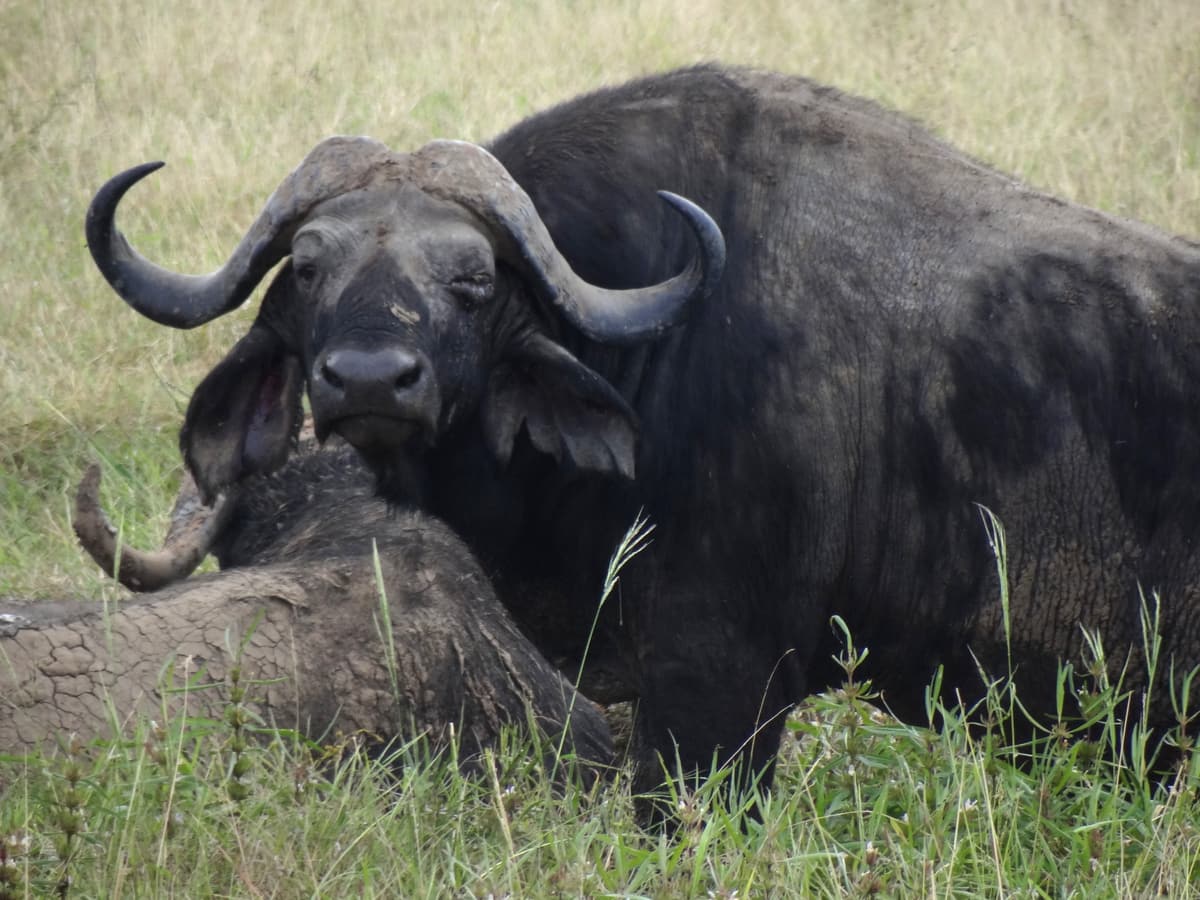
- Buffalo — often in large herds on the plains.
- Hippos and crocodiles — at the Hippo Pools all year.
- Lions — a healthy population and fairly often seen, sometimes resting in trees, but never guaranteed on a midday visit.
- Eland, hartebeest, sable and greater kudu — the larger antelope; eland on the plains, sable and kudu in the wooded south.
- Also likely: warthog, yellow baboon, vervet monkey, jackal and spotted hyena.
Birds
With more than 400 recorded species, Mikumi rewards anyone who looks up. Year-round residents include the lilac-breasted roller, yellow-throated longclaw, bateleur eagle, ground hornbill and a good range of bee-eaters, storks and raptors; between about November and April they are joined by migrants from Europe and northern Africa. The Hippo Pools and other waterholes are the easiest birding spots.
The main areas of the park
Four places come up again and again in itineraries. Each has its own page:
 Inside Mikumi National Park
Mkata Floodplain
The open plains at the heart of the park
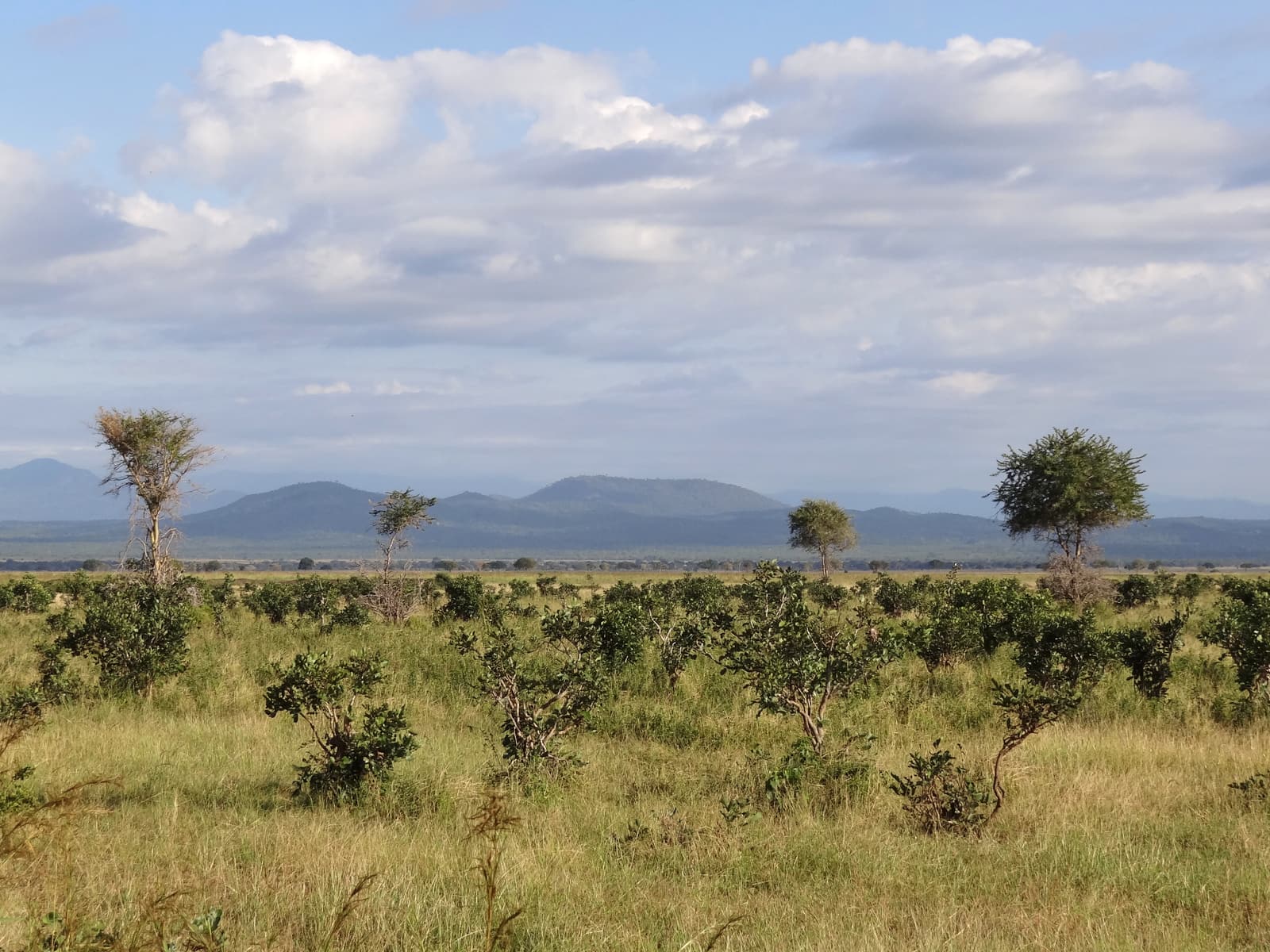
The wide, grassy basin north of the highway is where almost every Mikumi game drive happens. Zebra, wildebeest, buffalo, impala, elephants and giraffes graze in the open, lions follow them, and the horizon is closed by blue mountain ranges on every side — a landscape often compared with the Serengeti, at a fraction of the travelling.
 Inside Mikumi National Park
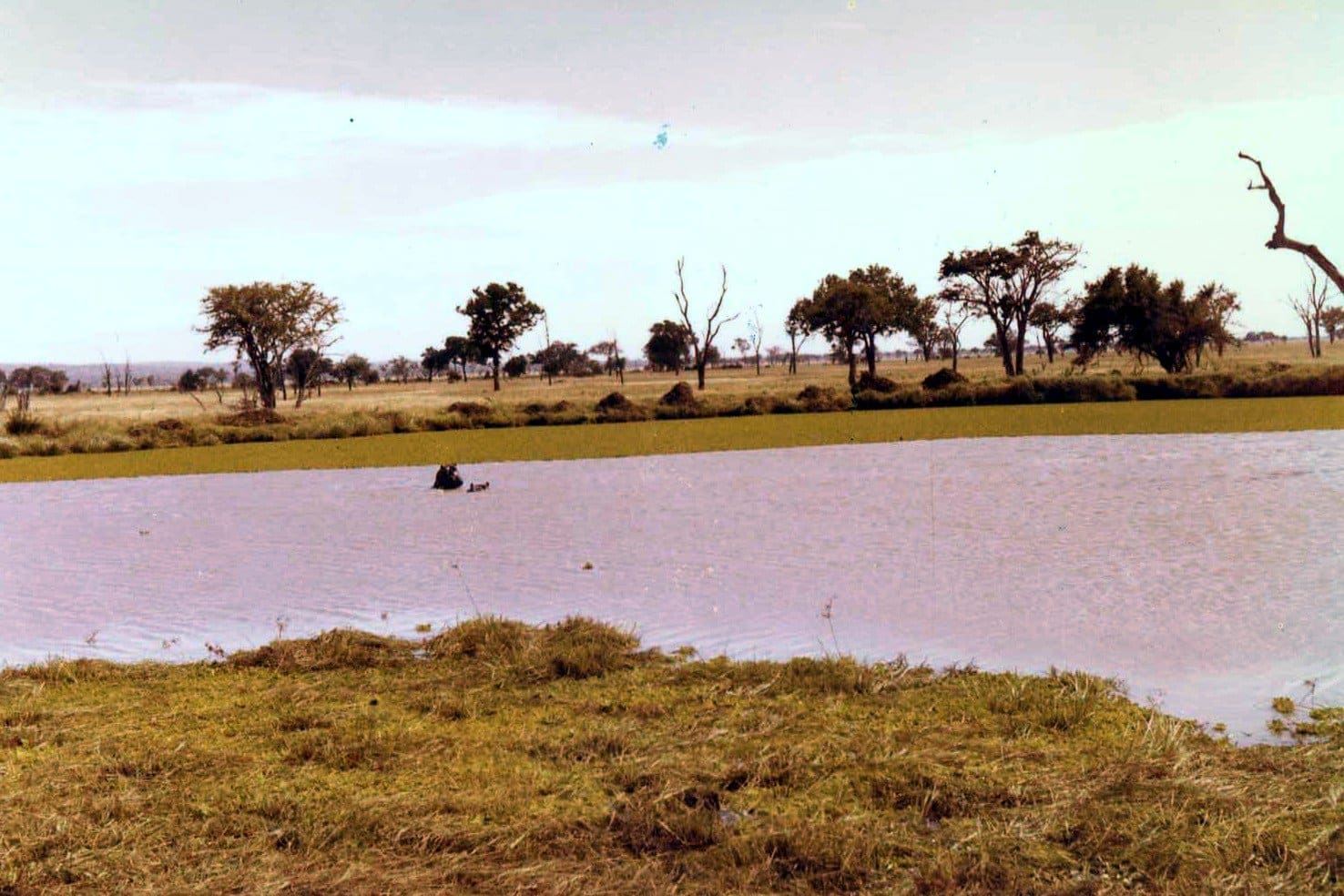
Hippo Pools
Mikumi’s best-known waterhole
A pair of pools a few kilometres north-west of the main gate where hippos spend the day submerged, snorting and jostling, while crocodiles lie on the banks and waterbirds work the edges. It is one of the few places in the park where you may get out of the vehicle, which makes it the classic picnic and photo stop.
 Gateways: where safaris start
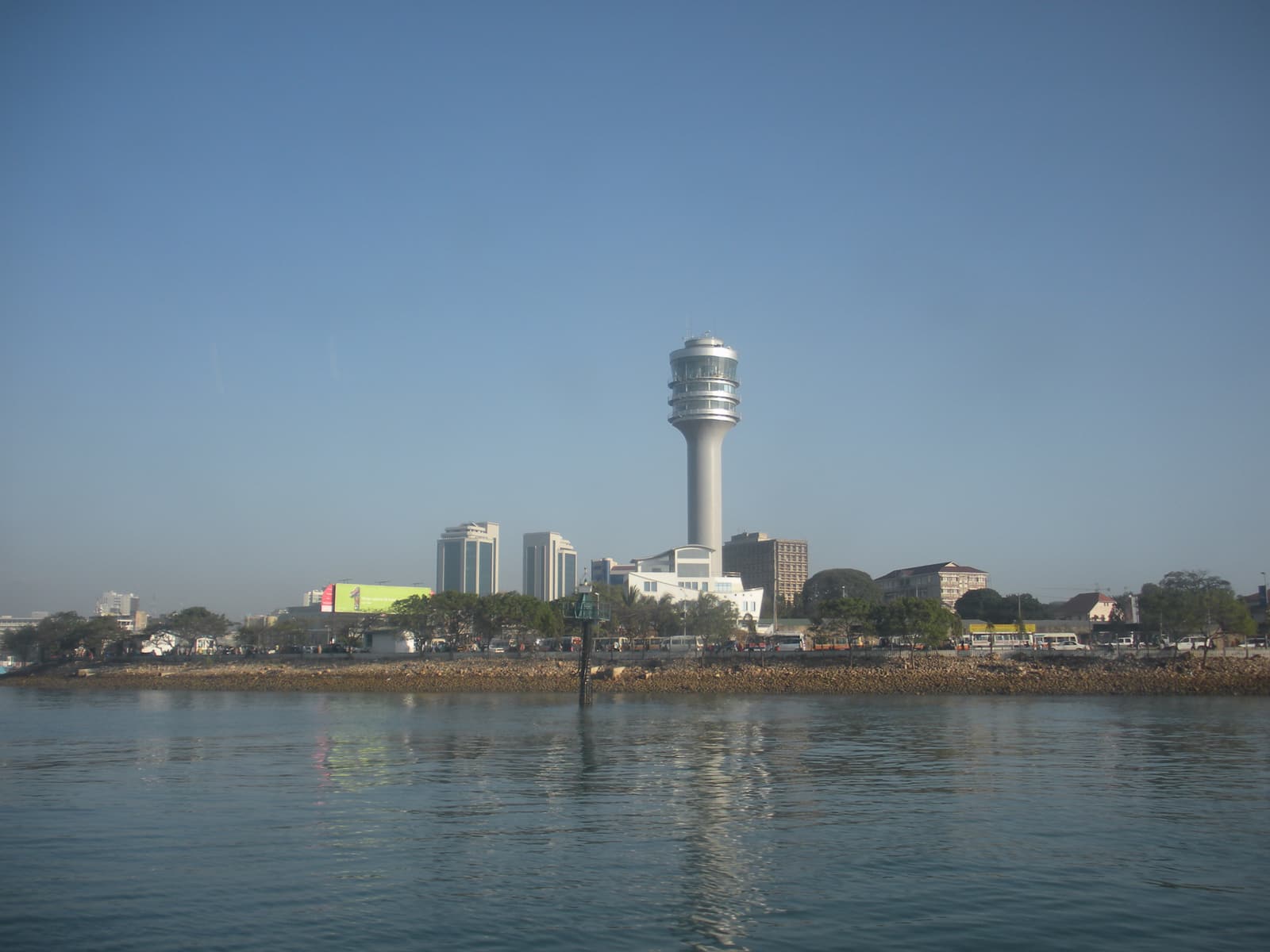
Dar es Salaam
Tanzania’s biggest city and Mikumi’s main gateway
The country’s commercial capital and main international airport, on the Indian Ocean roughly 280–300 km east of Mikumi. Most road and rail safaris to the park start here. The city itself is hot, hectic and likeable in small doses: a harbour-front fish market, a good national museum, and beaches and islands to the north.
 Gateways: where safaris start
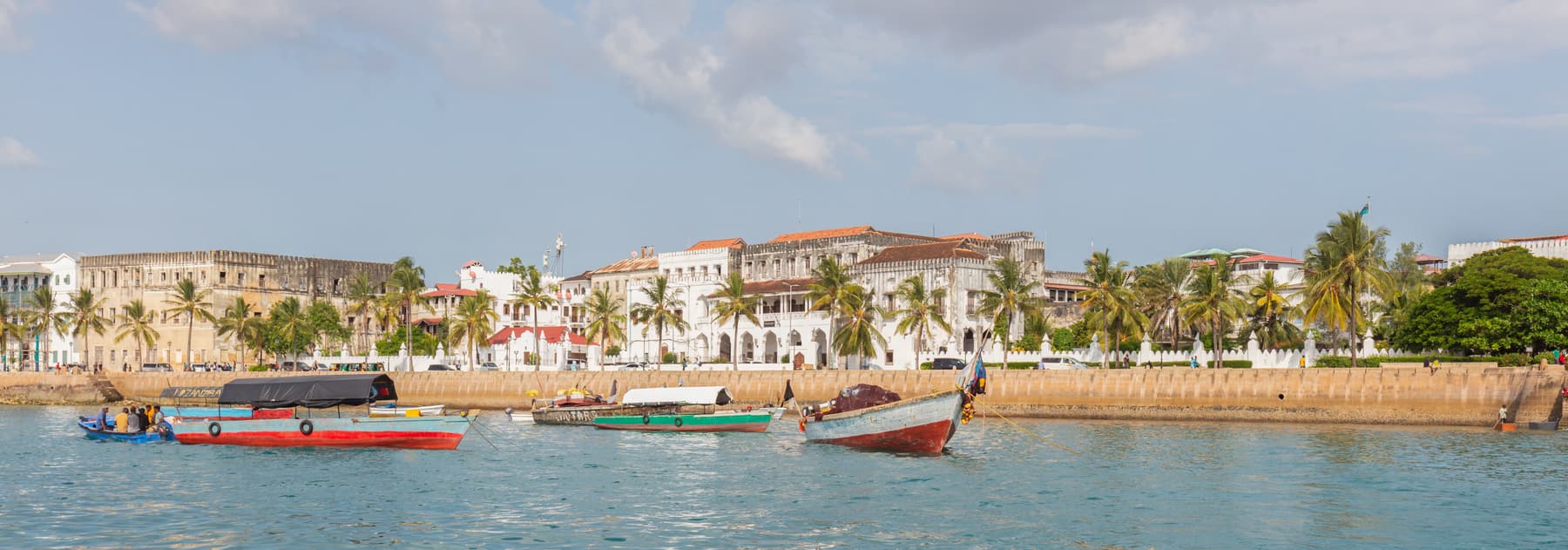
Zanzibar
Fly out after breakfast, back for sundowners
Mikumi is the safari park that Zanzibar’s beach hotels sell: a light aircraft takes about an hour from the island to the airstrip beside the park headquarters, and you can be watching elephants by mid-morning. This page explains how the fly-in day works, what it costs and when a night or two in the park is worth the extra.
What a safari day is like
On a day trip you arrive at the gate or airstrip mid-morning, register, and head straight out on to the floodplain. A typical loop takes in the Hippo Pools, the open grassland to the north and one or two waterholes, with a picnic or lodge lunch in the middle. You are back at the gate by mid-afternoon to catch the plane or begin the drive home.
On an overnight the rhythm is better: an afternoon drive as the heat fades, sunset, dinner and the sounds of the bush, then a drive at first light when lions, hyenas and jackals are still on the move. The middle of the day is for rest.
Park fees and permits
Fees are set by TANAPA and published in a tariff that is revised from time to time. The main items are:
- Conservation (entry) fee — per person per 24 hours. In recent tariffs it has been around US$30 for non-resident adults at Mikumi, less for children aged 5–15 and free for under-fives, plus 18% VAT. East African citizens and residents pay different, lower rates.
- Vehicle fee — depends on the vehicle’s weight and registration; included in organised tours.
- Accommodation or camping fees — charged per person per night if you sleep inside the park, on top of what the lodge charges.
- Activity fees — for ranger-guided walks and other special activities where offered.
Park rules worth knowing
- Stay in the vehicle except at designated spots or when your guide says otherwise.
- Keep to the tracks; off-road driving is not allowed.
- Do not feed animals — baboons at picnic sites are persistent thieves.
- Keep noise down and never ask a driver to crowd or chase an animal.
- Game drives are limited to daylight hours.
- Single-use plastic carrier bags are banned in Tanzania; do not pack them.
- Drones require official permits and may not be flown casually in national parks.
Activities beyond the game drive
Guided walks with an armed ranger are available in Mikumi and can be arranged through the park or your lodge, subject to availability. Some lodges also offer night game drives where regulations and permits allow — ask when you book rather than assuming. Cultural visits to Maasai communities near the park feature in several multi-day tours. For hiking, the Udzungwa Mountains are just down the road.
What to pack
- Light clothing in neutral colours (khaki, olive, beige); avoid dark blue and black, which attract tsetse flies, and bright white, which shows the dust.
- A warm layer for early mornings, especially June to August.
- Wide-brimmed hat, sunglasses and high-factor sunscreen.
- Insect repellent and long sleeves and trousers for the evening.
- Binoculars — the single most useful item on any safari.
- Camera with a zoom lens, spare battery and memory card; a power bank for phones.
- Closed shoes; sandals are fine in the vehicle.
- Passport, and a little cash in small notes for tips.
Health and safety
Mikumi is in a malaria area: consult a travel clinic about prophylaxis well before you travel, and use repellent and nets. A yellow fever certificate is required if you arrive from a country with risk of transmission; check the current rule for your route. Drink bottled or treated water. The nearest sizeable hospital is in Morogoro, so carry any medication you need and make sure your travel insurance covers medical evacuation.
Wild animals are dangerous — including the elephants and buffalo that wander near lodges and the highway. Follow your guide’s instructions, do not walk around camp alone at night, and keep tent and room doors closed.
Money, visas and connectivity
- Currency: the Tanzanian shilling (TZS). US dollars are widely used for safaris and lodges; bring recent notes in good condition.
- Cards and cash: park fees are cashless; lodges generally take cards, sometimes with a surcharge. ATMs are in Dar es Salaam and Morogoro — do not rely on finding a working one in Mikumi town.
- Tipping: customary for driver-guides and lodge staff. As a rough guide, many visitors give the equivalent of US$10–20 per group per day to a guide, but it is at your discretion.
- Visa: most visitors need a visa for Tanzania, obtainable online in advance; requirements vary by nationality, so check the official immigration website.
- Phone and internet: mobile coverage is decent along the highway and around the gate, patchy deeper in the park.
- Language: Swahili and English. Jambo (hello) and asante (thank you) go a long way.
- Power: 230 V, British-style three-pin (type G) sockets; camps may run on solar or generators with limited hours.
Sample itineraries
One day from Zanzibar
Pre-dawn pickup → flight to Mikumi → game drives on the Mkata floodplain and the Hippo Pools → lunch → return flight → back at the hotel by early evening. Book the fly-in day safari.
Two days from Dar es Salaam
Day 1: early train to Morogoro or drive direct; afternoon game drive; night at a lodge in or beside the park. Day 2: dawn game drive, breakfast, return to Dar.
Three days: Mikumi and Udzungwa
Day 1: travel and afternoon game drive. Day 2: morning drive, then transfer south to the Udzungwa Mountains. Day 3: hike to Sanje Falls and return.
A week on the southern circuit
Dar es Salaam → Mikumi (2 nights) → Udzungwa (1 night) → Ruaha via Iringa (3 nights) or Nyerere (2–3 nights) → fly or drive back to Dar, or on to Zanzibar for the beach.
Responsible travel
Choose operators who keep a respectful distance from animals and stay on the tracks. Take your litter out with you. Ask before photographing people, and pay for cultural visits through channels that benefit the community. Your park fees fund the rangers who protect this ecosystem — which is a good reason to enter through the gate rather than just watching from the highway.
Combine your trip
With more time in Tanzania, the northern circuit is the country’s other great safari region. Our Ngorongoro Crater safari guide explains how to reach the crater from Arusha and pair it with the neighbouring parks.
Mikumi also pairs naturally with a beach stay: the fly-in day safaris start on Zanzibar, and ferries and short flights connect Dar es Salaam with the island. Our Zanzibar island guide covers Stone Town, the beaches and how long to stay.